Skip to content

Pressure washing is an effective way to clean surfaces around your home or business, removing dirt, grime, and mildew to make everything look fresh and new again. However, not all pressure washing methods are the same, and choosing the right technique is crucial to avoid damage while achieving the best results. The two main types of pressure washing are soft washing and hard pressure washing (also referred to as high-pressure washing).
Understanding the key differences between these two methods can help you decide which one is best for your cleaning project. In this blog, we’ll explore the distinctions between soft and hard pressure washing, the best applications for each, and the potential risks of using the wrong method.
What is Soft Washing?
Soft washing uses low pressure combined with specialized cleaning solutions to clean delicate surfaces. While it still utilizes a pressure washer, the pressure is much lower than that used in traditional hard pressure washing. The cleaning agents do most of the work, breaking down dirt, mold, mildew, algae, and other contaminants without relying on high pressure.
- Pressure Level: Soft washing typically operates at pressures below 500 PSI (pounds per square inch), which is much gentler than the high-pressure method.
- Cleaning Agents: In soft washing, biodegradable detergents and soaps are applied to the surface, which break down organic material, stains, and dirt. Afterward, the area is rinsed with low-pressure water to remove the cleaning solution and grime.
What is Hard Pressure Washing?
Hard pressure washing (or power washing) involves using a pressure washer that delivers high-pressure water to clean tough, hard surfaces. This method is ideal for removing stubborn dirt, grime, grease, and even paint from durable surfaces that can withstand the force.
- Pressure Level: Hard pressure washing typically operates at pressures between 1,500 and 3,000 PSI or higher. The force of the water alone is often enough to break up tough stains, without the need for as many cleaning solutions.
- Cleaning Power: High pressure is the key here—water is forced through a nozzle at high speeds, making it ideal for cleaning hard surfaces like concrete, stone, or metal.
Key Differences Between Soft and Hard Pressure Washing
Pressure Levels
The most significant difference between soft and hard pressure washing is the amount of pressure used.
- Soft Washing: Low pressure, usually less than 500 PSI, which is gentle enough for more fragile surfaces.
- Hard Pressure Washing: High pressure, typically between 1,500 and 3,000 PSI, which is used for cleaning tougher surfaces.
Best Uses and Applications
The type of pressure washing you choose should depend on the surface you’re cleaning. Different surfaces require different methods to avoid damage while still achieving a thorough clean.
- Soft Washing is Best for:
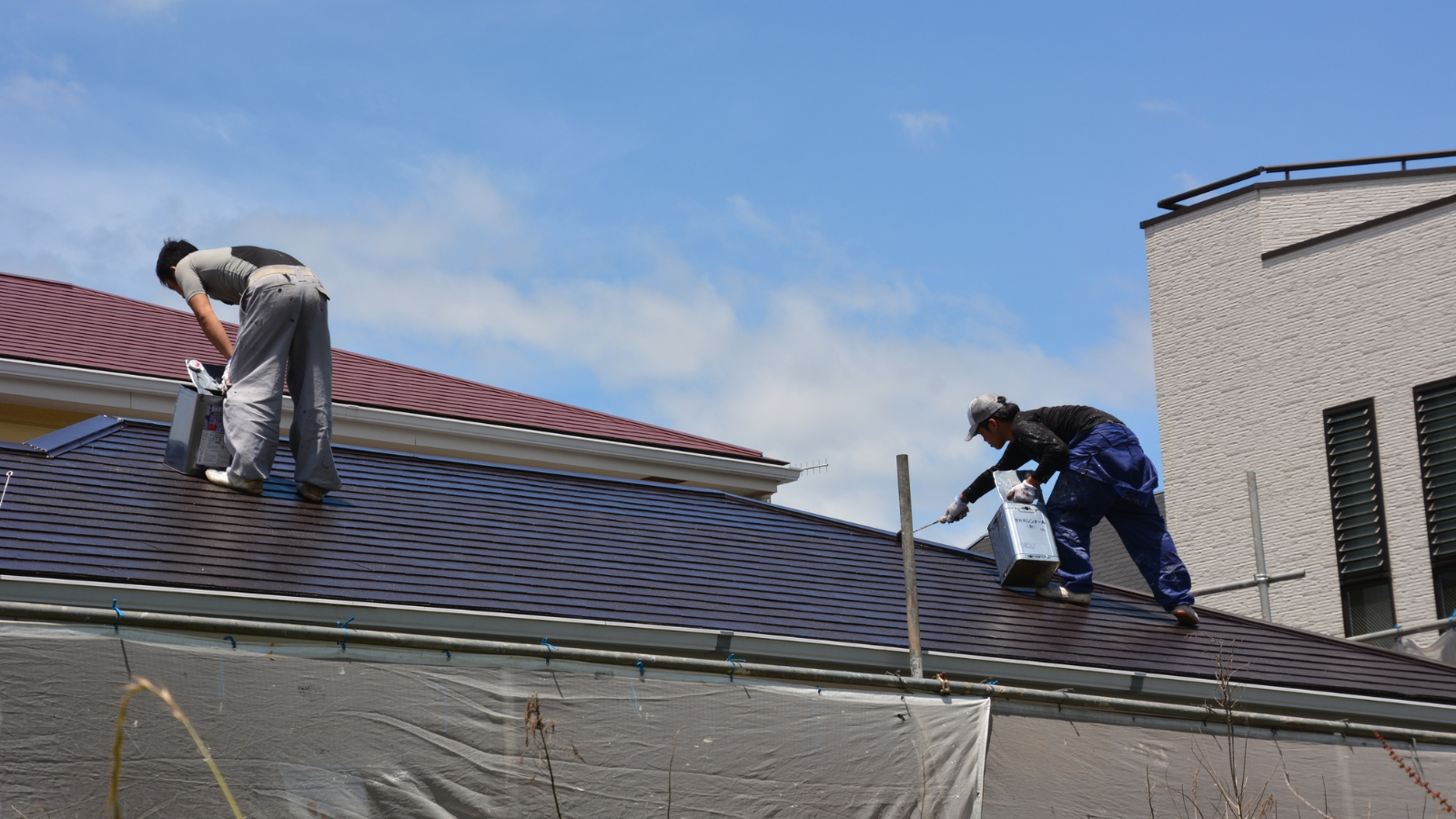
- Roof Cleaning: Roof shingles, especially asphalt, can be easily damaged by high-pressure washing. Soft washing removes moss, algae, and dirt without stripping away the protective granules.
- Siding: Vinyl, wood, and other delicate siding materials are prone to damage from high pressure. Soft washing is gentle enough to clean siding without causing dents or paint chipping.
- Windows: Glass and window frames can crack or shatter under high pressure. Soft washing provides a safe way to clean windows without risking damage.
- Decks and Fences: Wood, especially older or untreated wood, can splinter under hard pressure. Soft washing is more appropriate for these surfaces.
- Hard Pressure Washing is Best for:
- Concrete Driveways and Sidewalks: Concrete can handle high pressure, making it ideal for removing oil stains, grime, and mildew.
- Patios and Paving Stones: The hard surfaces of pavers and brick patios benefit from high pressure to blast away dirt, algae, and even weeds growing between cracks.
- Garage Floors and Industrial Areas: Areas with heavy grease, dirt, or chemicals benefit from hard pressure washing due to its ability to break down tough contaminants.
Cleaning Solutions
The role of cleaning solutions also differs between the two methods.
- Soft Washing: Heavily relies on cleaning agents to break down dirt, mold, and mildew. The solution often contains surfactants that lift dirt and biodegradable chemicals that kill mold, mildew, and algae at the root.
- Hard Pressure Washing: Typically uses fewer cleaning solutions because the force of the water is strong enough to break down grime. However, detergents can be added in cases of particularly stubborn stains or greasy surfaces.
Potential for Surface Damage
Using the wrong method can lead to unintended damage to surfaces.
- Soft Washing: Because of its low pressure, soft washing is safe for more fragile surfaces, such as roofs, wood, and windows. The low pressure means there’s little risk of cracking, warping, or etching the surface.
- Hard Pressure Washing: If used on surfaces that aren’t built to withstand high pressure, this method can cause significant damage. For example, hard pressure washing can strip paint, dent siding, or even crack delicate materials like wood and vinyl.
Environmental Impact
Both methods can be eco-friendly, but they differ in how they interact with the environment.
- Soft Washing: Often uses biodegradable cleaning solutions, which are safe for the environment when used correctly. It also requires less water compared to hard pressure washing because the cleaning agents are doing most of the work.
- Hard Pressure Washing: Uses a significant amount of water, which can increase water waste. Additionally, the lack of cleaning agents means contaminants can sometimes be washed into storm drains without being neutralized.
Choosing the Right Method for Your Cleaning Project
When deciding between soft and hard pressure washing, consider the following factors:
- Surface Material: If you’re cleaning hard, durable surfaces like concrete, stone, or metal, hard pressure washing is likely your best bet. For delicate surfaces like roofing shingles, wood, or siding, soft washing is the safer and more effective option.
- Type of Dirt or Stains: For organic growth like mold, mildew, and algae, soft washing is often more effective because the cleaning agents kill the root of the problem. Hard pressure washing is better for stubborn dirt, oil, and grease on hard surfaces.
- Safety and Risk of Damage: If there’s any risk of damaging the surface, it’s better to err on the side of caution and go with soft washing. Hard pressure washing can be powerful but also risky for fragile or painted surfaces.
Conclusion
Both soft and hard pressure washing have their own strengths, but choosing the right method for your cleaning needs is essential to avoid damage and achieve the best results. Soft washing is ideal for cleaning delicate surfaces like roofs, siding, and windows, while hard pressure washing works best on tough surfaces like concrete and brick. By understanding the key differences between these methods, you can ensure that your home or business stays clean, well-maintained, and free of damage.